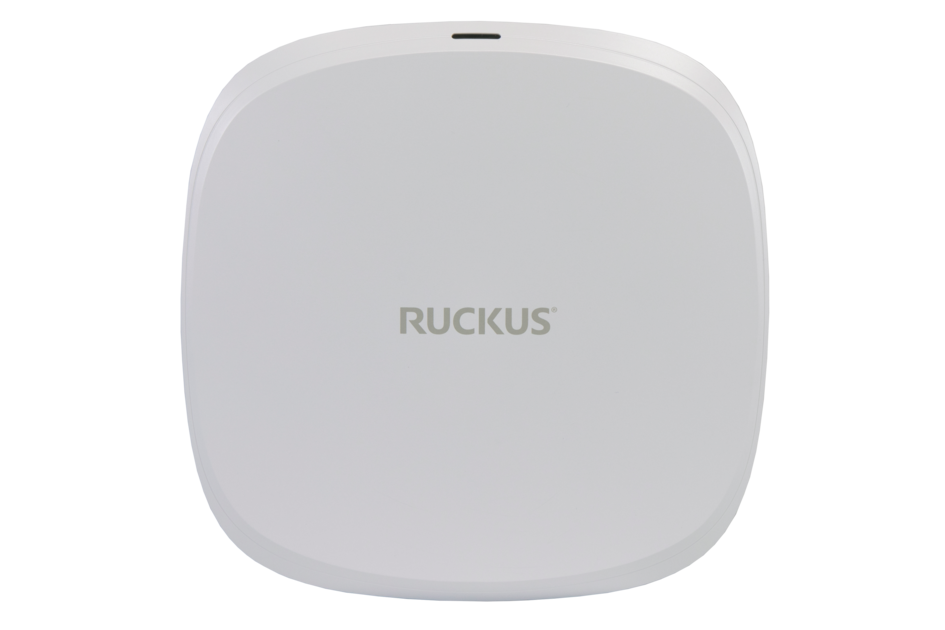
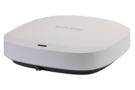
RUCKUS R770 Wi-Fi 7 Tri-Band Enterprise Wireless Access Point with 10GbE, BLE/Zigbee, and 802.3bt PoE (901-R770-XX00)
The RUCKUS R770 Wi-Fi 7 Wireless Access Point is a next-generation enterprise access point designed to deliver ultra-fast wireless connectivity, increased capacity, and advanced network efficiency. Built on the latest Wi-Fi 7 (802.11be) standard, the R770 supports concurrent tri-band operation across the 2.4 GHz, 5 GHz, and 6 GHz frequency bands, enabling organizations to support more devices, higher bandwidth applications, and demanding wireless environments.
In addition, the R770 combines BeamFlex+ adaptive antenna technology, 10GbE connectivity, integrated BLE and Zigbee IoT support, TPM 2.0 security, and 802.3bt PoE in a single enterprise-grade platform. As a result, it is ideal for businesses, educational institutions, healthcare facilities, hospitality venues, and high-density deployments.
Specifications Table
| Feature | Specification |
|---|---|
| Model | RUCKUS R770 |
| Part Number | 901-R770-XX00 |
| Product Type | Indoor Enterprise Wireless Access Point |
| Wi-Fi Standard | Wi-Fi 7 (IEEE 802.11be) |
| Frequency Bands | 2.4 GHz, 5 GHz, 6 GHz |
| Radio Configuration | 2×2:2 (2.4 GHz) + 4×4:4 (5 GHz) + 2×2:2 (6 GHz) |
| Total Spatial Streams | 8 Streams |
| Tri-Band Operation | Concurrent 2.4 GHz, 5 GHz, and 6 GHz |
| 6 GHz Support | LPI Mode and Standard Power Mode with AFC |
| Backward Compatibility | Wi-Fi 6E, Wi-Fi 6, Wi-Fi 5, Wi-Fi 4 |
| Alternative RF Mode | Software-configurable Dual-Band Mode |
| Antenna Technology | BeamFlex+ Adaptive Antennas |
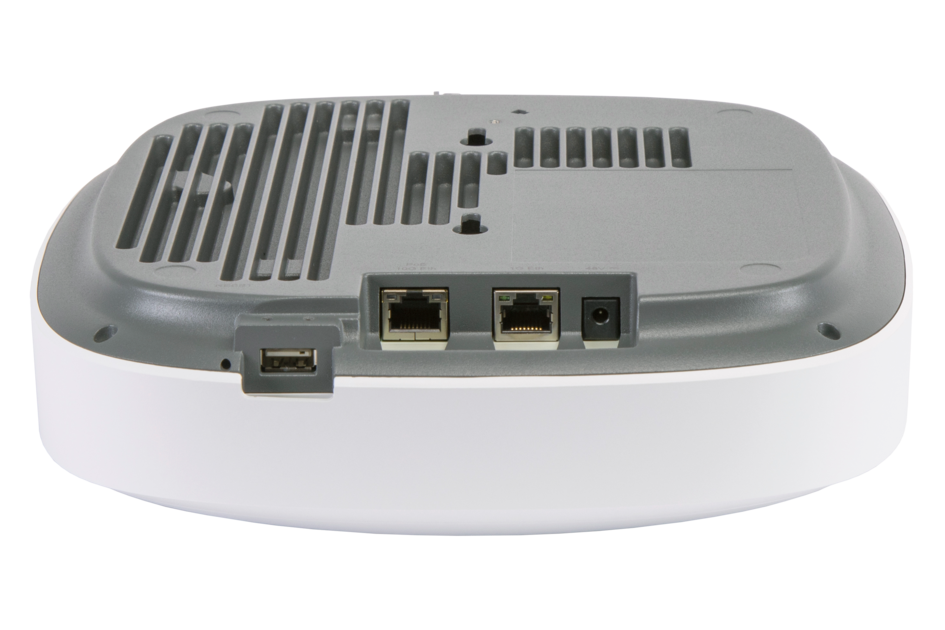
| Ethernet Ports | 1 × 10GbE Port, 1 × 1GbE Auxiliary Port |
| Power Options | 802.3bt PoE-In, 48V DC |
| USB Port | 1 × USB 2.0 |
| IoT Support | Bluetooth Low Energy (BLE), Zigbee |
| Matter Support | Yes |
| Thread Support | Yes |
| Security Hardware | TPM 2.0 |
| Secure Boot | Yes |
| Security Features | DPSK3, WPA3, Enterprise Security |
| Mounting | Adjustable Acoustic Drop Ceiling Bracket Included |
| Power Adapter | Not Included |
| PoE Injector | Not Included |
| Warranty | Limited Lifetime Warranty |
Advanced Wi-Fi 7 Performance
First, the R770 leverages the latest Wi-Fi 7 technology to provide higher throughput, lower latency, and improved efficiency compared to previous wireless generations.
Key benefits include:
- Faster wireless speeds
- Better performance in high-density environments
- Lower latency for real-time applications
- Increased network capacity
- Enhanced user experience
Therefore, the R770 is well suited for organizations supporting large numbers of users and connected devices.
Concurrent Tri-Band Connectivity
The R770 operates simultaneously across:
- 2.4 GHz
- 5 GHz
- 6 GHz
This tri-band architecture helps distribute wireless traffic more efficiently while reducing congestion.
As a result, users benefit from:
- More available wireless channels
- Higher overall network capacity
- Better performance for modern devices
- Improved application responsiveness
Furthermore, the 6 GHz band supports both Low Power Indoor (LPI) operation and Standard Power (SP) operation with Automated Frequency Coordination (AFC) support.
BeamFlex+ Adaptive Antenna Technology
RUCKUS BeamFlex+ technology dynamically selects the optimal antenna pattern for each connected client.
Benefits include:
- Extended wireless coverage
- Reduced interference
- Improved signal strength
- Better connection reliability
- Enhanced client performance
As a result, users receive consistent wireless performance throughout the coverage area.
High-Speed 10GbE Connectivity
To support next-generation Wi-Fi performance, the R770 includes:
- 1 × 10-Gigabit Ethernet uplink
- 1 × 1-Gigabit auxiliary Ethernet port
This provides:
- Increased wired backhaul capacity
- Reduced network bottlenecks
- Better support for high-throughput applications
- Future-ready infrastructure
Therefore, organizations can fully utilize the benefits of Wi-Fi 7.
Integrated IoT Platform
In addition, the R770 includes onboard Bluetooth Low Energy (BLE) and Zigbee radios.
The platform is also Matter and Thread capable, making it suitable for modern smart-building deployments.
Common use cases include:
- Asset tracking
- Smart building management
- Environmental monitoring
- Occupancy analytics
- IoT sensor connectivity
Enterprise Security Features
Security is a critical component of the R770 design.
Key security technologies include:
- TPM 2.0
- Secure Boot
- DPSK3
- WPA3 Security
- Enterprise Authentication
- Secure Device Onboarding
As a result, organizations can strengthen network protection while simplifying management.
Flexible Deployment Options
The R770 supports both tri-band and software-configurable dual-band operation.
Deployment advantages include:
- Flexible wireless planning
- Simplified upgrades
- Support for evolving Wi-Fi environments
- Easy integration into existing networks
In addition, the included adjustable acoustic drop ceiling bracket simplifies installation in enterprise environments.
Key Features
- Wi-Fi 7 (802.11be) technology
- Concurrent tri-band operation
- 2×2:2 (2.4 GHz) + 4×4:4 (5 GHz) + 2×2:2 (6 GHz)
- 6 GHz LPI and Standard Power operation with AFC
- BeamFlex+ adaptive antenna technology
- 10GbE uplink port
- 1GbE auxiliary port
- Integrated BLE and Zigbee radios
- Matter and Thread support
- TPM 2.0 security module
- Secure Boot and DPSK3
- USB 2.0 connectivity
- 802.3bt PoE support
- Limited Lifetime Warranty
Ideal Use Cases
- Enterprise offices
- Universities and schools
- Hospitals and healthcare facilities
- Hotels and resorts
- Smart buildings
- Large retail environments
- Convention centers
- High-density public venues
Summary
The RUCKUS R770 Wi-Fi 7 Tri-Band Wireless Access Point (901-R770-XX00) delivers enterprise-class wireless performance with advanced security, multi-gigabit connectivity, and integrated IoT capabilities. With Wi-Fi 7 support across all frequency bands, BeamFlex+ adaptive antennas, a 10GbE uplink, BLE/Zigbee integration, and enterprise-grade security features, it provides a powerful and future-ready solution for organizations building next-generation wireless networks.
 No products in the cart.